
Walking Guide
What to Bring on Your Walk: A Practical Checklist for Retirees
We've tested everything — from comfortable footwear to hydration strategies. This guide covers essentials that make the difference between a pleasant walk and an uncomfortable one.
Start Smart, Walk Comfortably
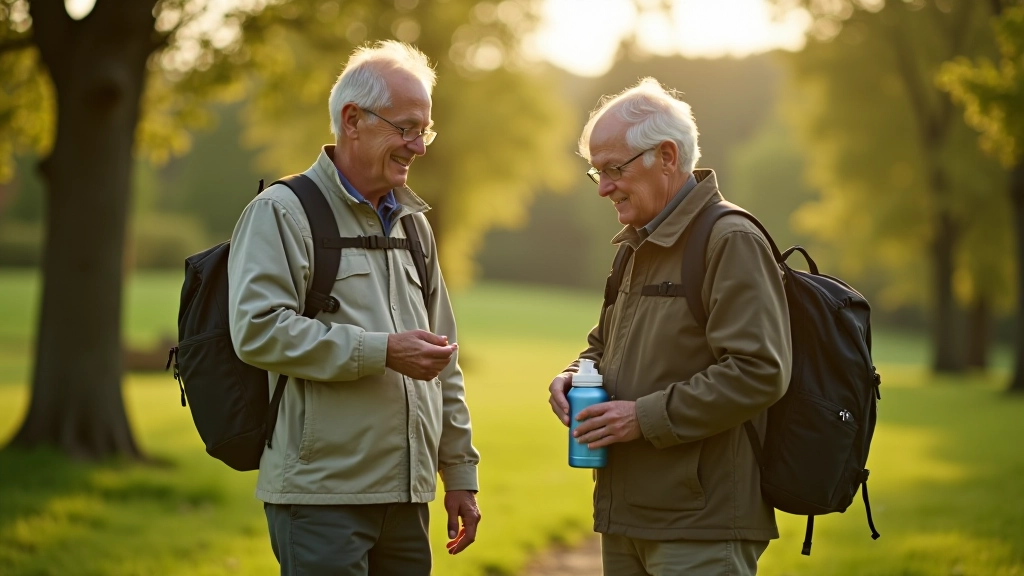
Walking through Kilkenny's heritage sites isn't just about distance — it's about preparation. We've spent years helping retirees explore the Kells Priory loop and Kings River meadow paths, and we've learned what actually matters when you're on your feet for two to three hours.
The difference between a walk you'll remember fondly and one you'll dread comes down to smart packing. It's not about carrying everything — it's about carrying the right things. Let's walk through what you genuinely need.
Footwear: Your Most Important Investment
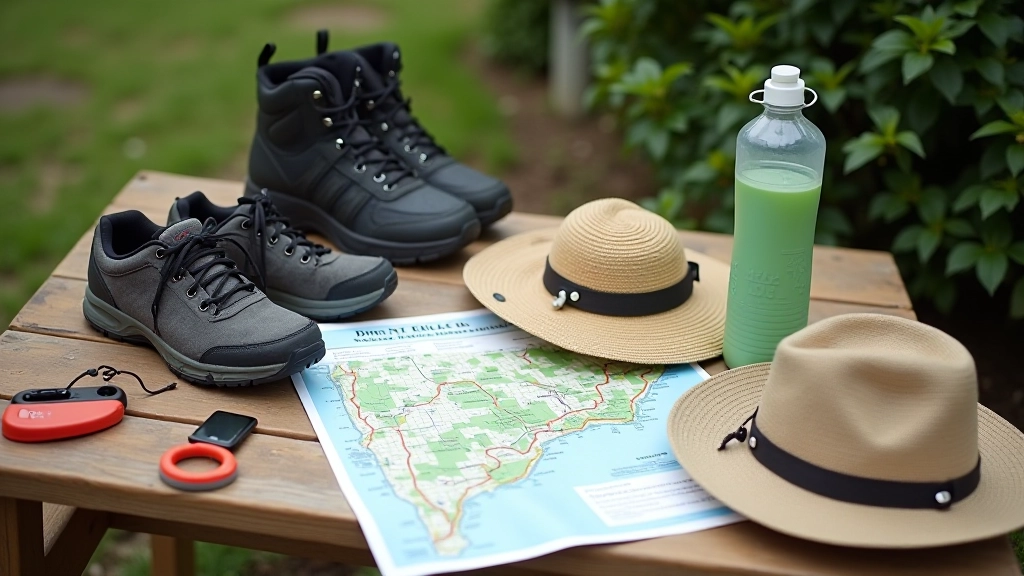
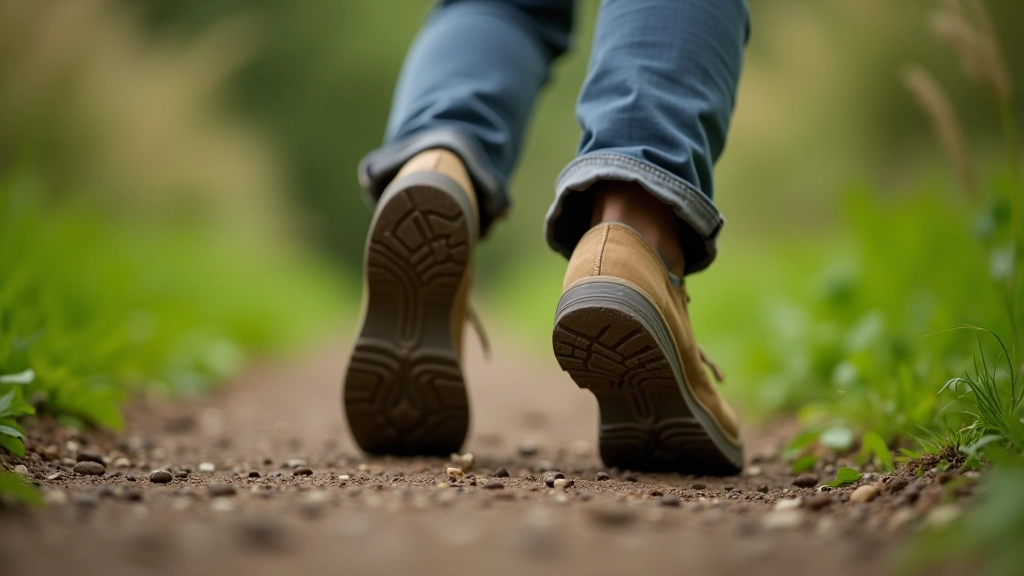
You'll hear this everywhere, but it's genuinely true — the right shoes make everything different. After two hours on uneven ground around the priory ruins, worn-out sneakers will punish your feet. We're not saying you need expensive hiking boots. We're saying you need shoes that actually support your arches and grip properly on wet grass.
Look for shoes with these features: cushioned insoles (at least 8mm of padding), waterproof uppers, and a heel counter that doesn't flex. Most retirees we work with find that mid-range walking shoes from established brands cost between €60-€100 and last 18 months of regular use. That's reasonable. What's not reasonable is pushing through blisters or foot pain because you grabbed whatever was in your closet.
Pro tip: Wear your walking shoes for short trips before committing to a full route. A 20-minute test walk reveals whether they'll cause problems on longer outings.
Hydration and Nutrition: Fuel for the Journey
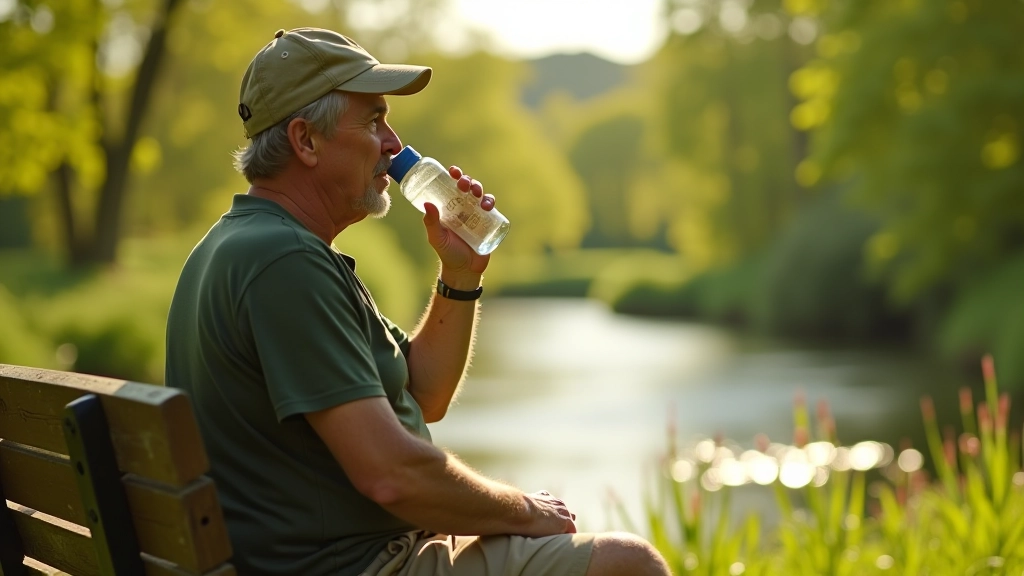
Dehydration creeps up on you. You won't notice it until you're tired, your feet hurt more than they should, and you've lost interest in everything around you. A 2-3 hour walk requires proper water intake — typically about 500ml per hour depending on temperature and pace.
Bring a reusable bottle, not plastic throwaway bottles. It's lighter, you can refill at several points along both the Kells loop and meadow path, and you'll actually stay hydrated instead of rationing a single bottle. Pair this with simple snacks: a banana, a handful of almonds, or a granola bar. These provide steady energy without weighing you down. Don't wait until you're famished to eat — that's when fatigue sets in hard.
Most walkers find that eating something small every 45 minutes keeps energy stable. It doesn't need to be elaborate.
Protection: Sun, Wind, and Weather
Ireland's weather changes faster than a cat's mood. You'll set out on a clear morning and encounter cloud cover within an hour. Proper protection isn't optional — it's what keeps walks enjoyable rather than miserable.
Essential Weather Protection:
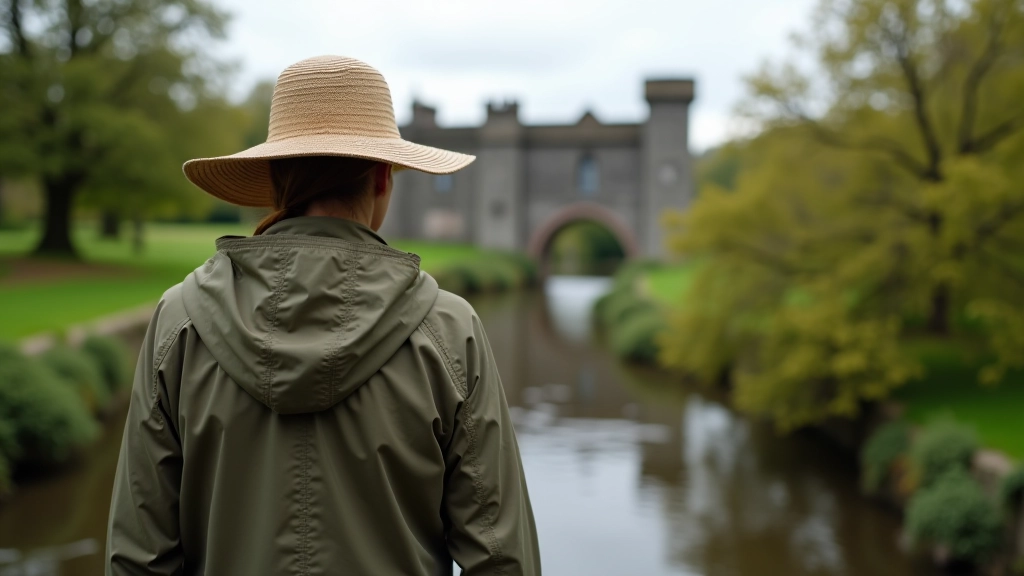
- Wide-brimmed hat (protects face and ears from sun)
- Lightweight rain jacket (pack even on sunny days)
- Sunscreen SPF 30+ (reapply every 90 minutes)
- Thin gloves (for early morning or evening walks)
The hat's underrated. It reduces glare, protects your scalp, and keeps rain off your face. Rain jackets don't need to be fancy — a €25 packable jacket takes up almost no space and transforms an unpleasant experience into a manageable one.
The Practical Bag and Small Essentials
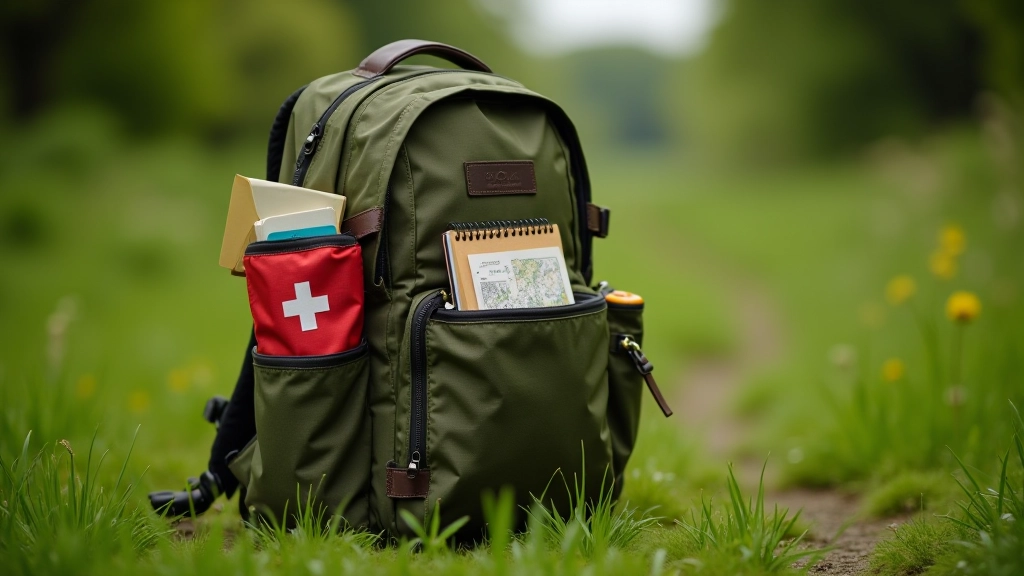
You don't need a massive hiking rucksack. A 15-20 liter daypack distributes weight properly across your shoulders and keeps your hands free. Look for one with padded straps, a hip belt (this transfers weight to your hips rather than shoulders), and external pockets for quick access.
Inside that bag, include a basic first aid kit with blister treatment, antiseptic wipes, and pain relief tablets. A small pocket-sized map (available at most visitor centers) plus a mobile phone with offline maps means you won't get lost. We also recommend a small notebook — jotting down observations about wildflowers, historical details, or wildlife adds richness to your experience and gives your hands something to do during rest breaks.
Tissues, a small towel, and a lightweight headlamp (even for daytime walks) round out your kit. That headlamp seems odd until you realize evening walks happen, and uneven ground around ruins demands visibility.
Important Disclaimer
This guide provides general information about walking preparation for recreational purposes. It's not medical advice. Before undertaking any walking route, especially if you have mobility concerns, heart conditions, or other health considerations, consult with your healthcare provider. Individual fitness levels vary — what works for one person may not suit another. Always listen to your body, adjust pace according to your comfort, and don't hesitate to turn back if you feel unwell. The Kells Priory and Kings River paths are uneven in places and may be wet — exercise appropriate caution and wear suitable footwear.
The Real Secret? Just Start
Good shoes, water, weather protection, and a small pack. That's genuinely all you need. You don't have to invest hundreds of euros or spend weeks preparing. Most of what we've described here costs under €150 total if you're starting fresh, and many people already own the basics.
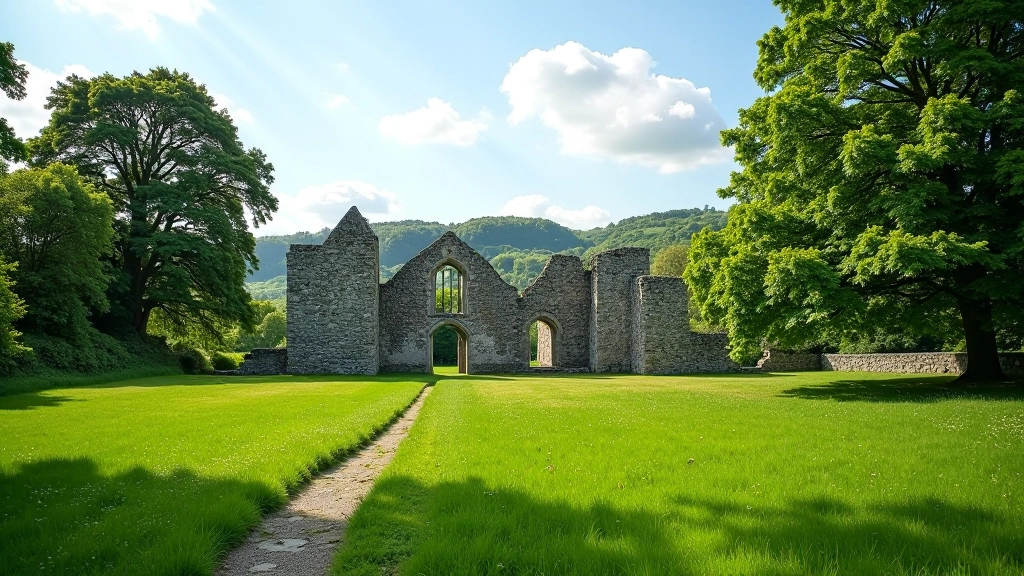
What matters most isn't the gear — it's that you're out there. Walking through the medieval ruins at Kells, spotting kingfishers along the Kings River, feeling the ground beneath your feet. That's what stays with you. The right preparation just makes sure discomfort doesn't steal the experience away.
Check your gear, fill your water bottle, and get outside. Kilkenny's waiting.
Related Walks & Guides