The Golden Age: 13th and 14th Centuries
By the 1200s, Kells Priory had become one of the most significant religious communities in the region. The monks weren't just spiritual leaders — they're the ones who documented history, preserved knowledge, and developed the land around them. This wasn't a period of quiet contemplation. There's activity, building projects, expansion.
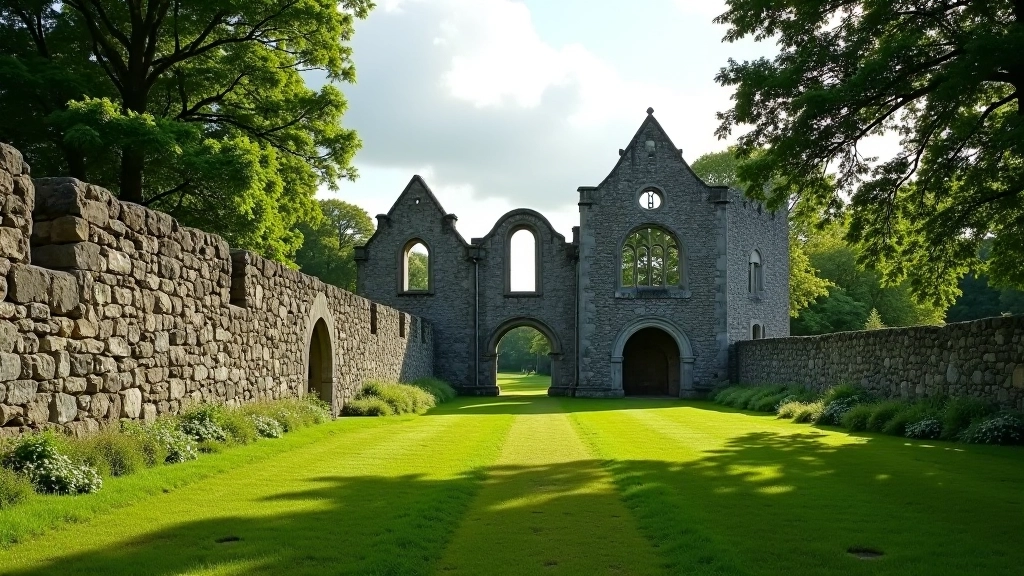
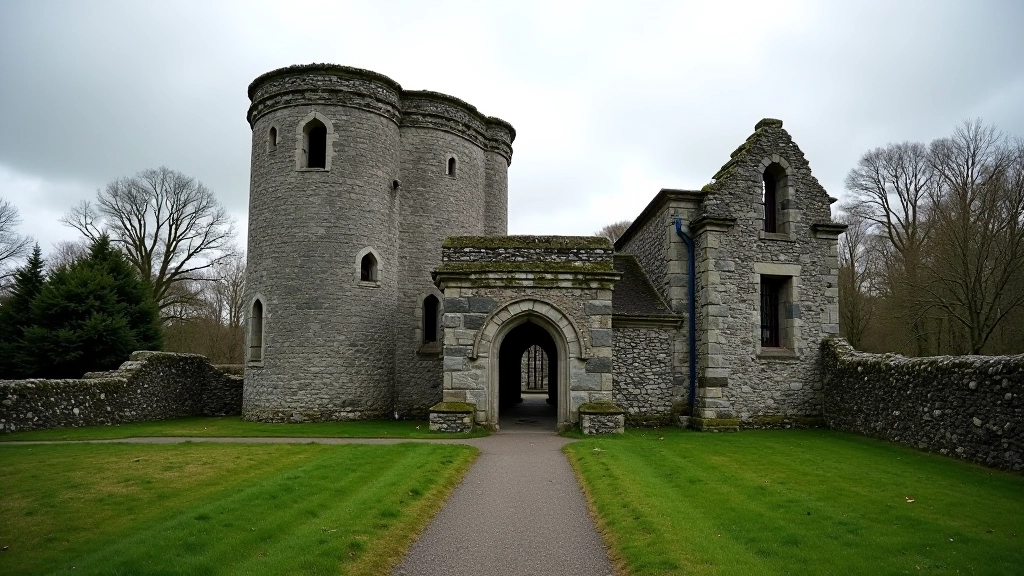
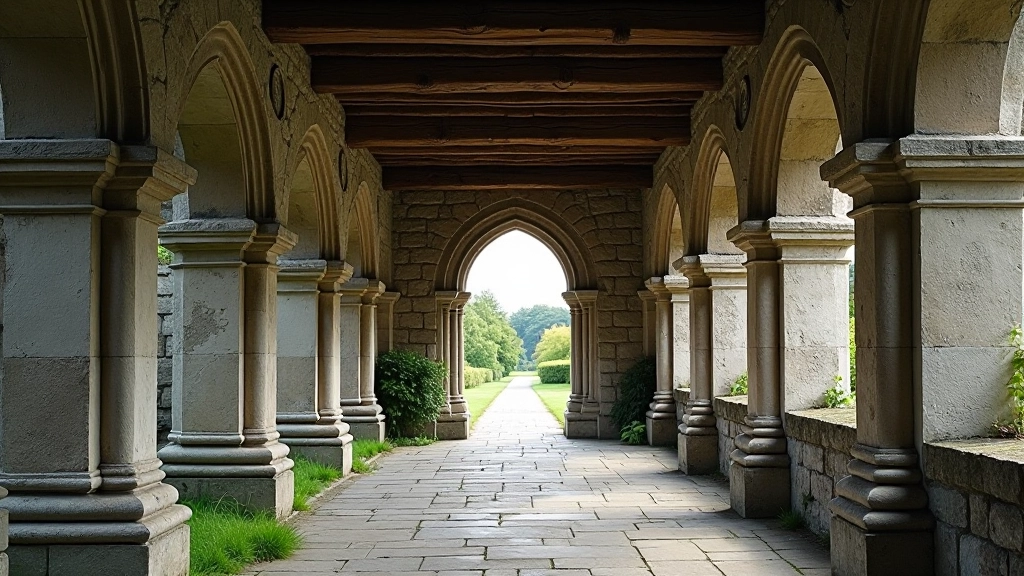
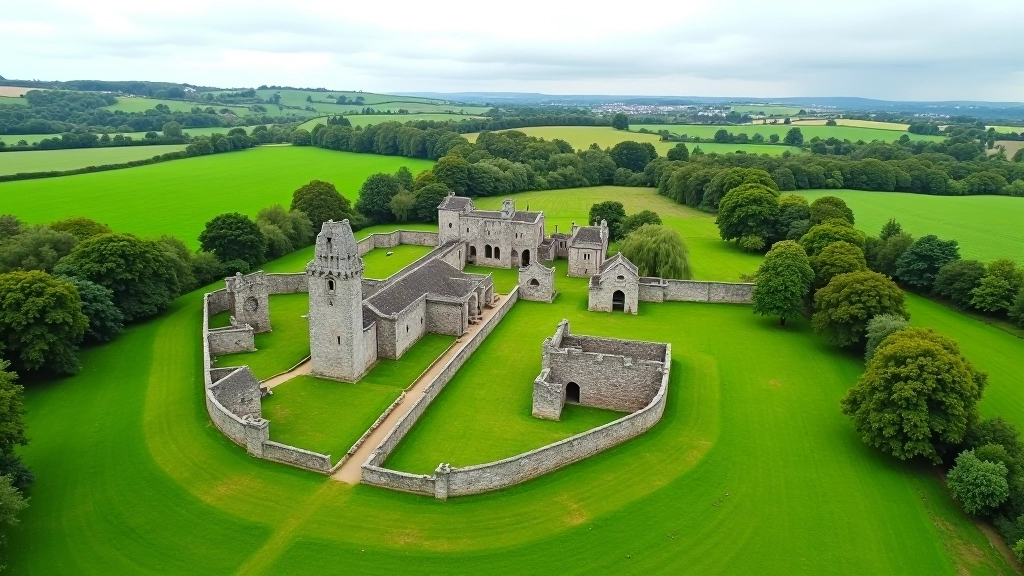
During this era, the main structures you can still see today were constructed. The round tower, the high walls, the gatehouse — all built between roughly 1200 and 1350. These weren't built for comfort. They were built for defense. Medieval Ireland wasn't peaceful. Local conflicts, power struggles between noble families, raids — the priory needed to protect both its residents and its valuables. The thick stone walls, the narrow windows, the defensive positioning — it all tells that story.
The priory also became wealthy. Wealthy enough to commission skilled masons, to buy quality materials, to expand constantly. Donations came from nobles seeking spiritual favor, from farmers giving portions of their harvests. It's estimated that at its height, the priory held lands across several parishes — making it not just a religious institution but a significant landowner and employer in medieval Kilkenny.
Decline and the Dissolution: 1540s Onwards
Everything changed in the 1540s. King Henry VIII's decision to dissolve the monasteries sent shockwaves through Ireland. Kells Priory, like hundreds of others, was seized. The monks were expelled or scattered. The lands were granted to Protestant settlers or English nobles. It's a rupture point in the site's history — from a thriving community to an abandoned structure in just a few years.
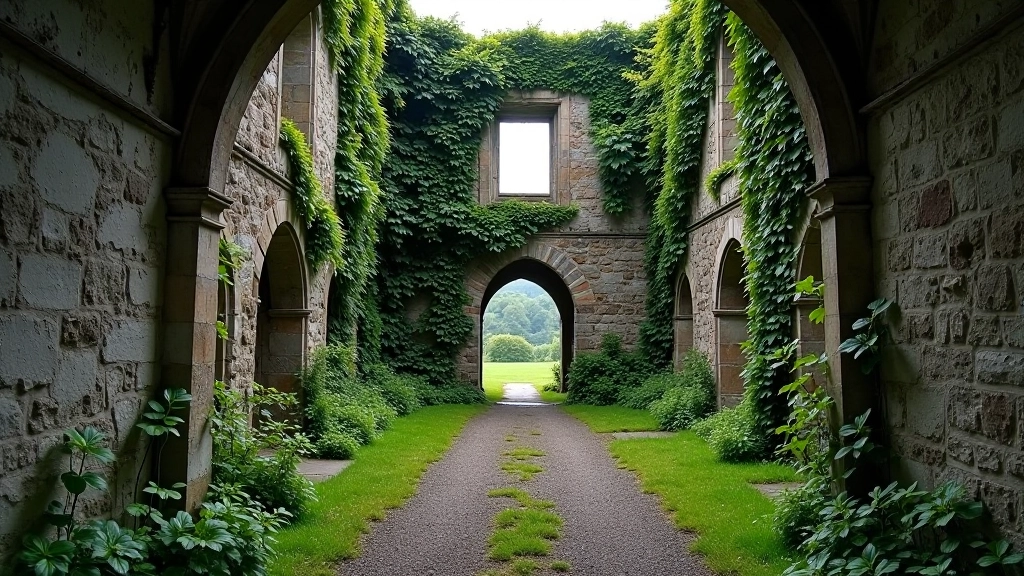
But here's what's interesting: the buildings didn't disappear immediately. Local people continued to use the structures. Farmers stored grain. Families sought shelter. Over centuries, the priory transitioned from active monastery to historical artifact. Stone by stone, weather by weather, nature began its patient work of reclaiming the site.
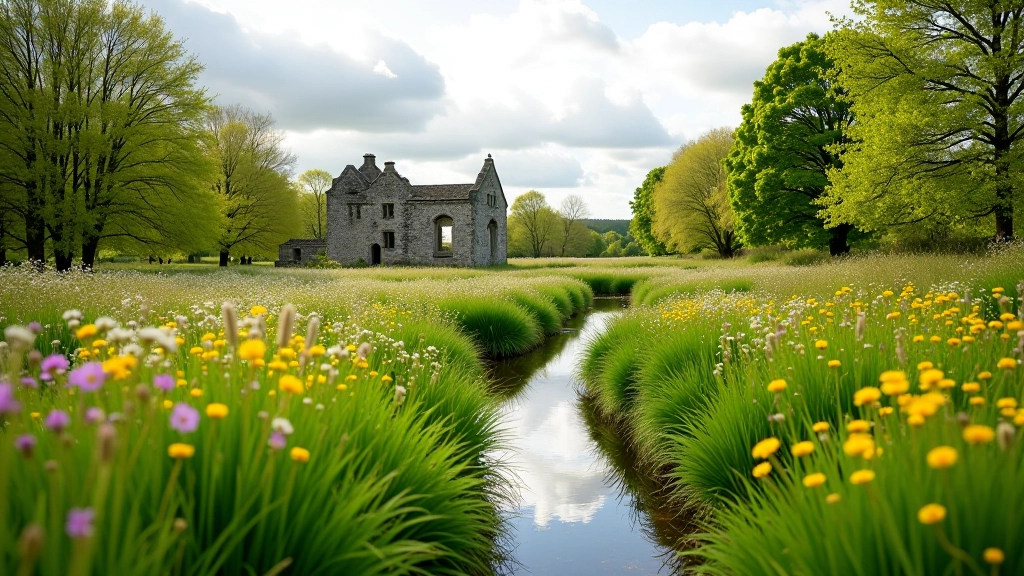
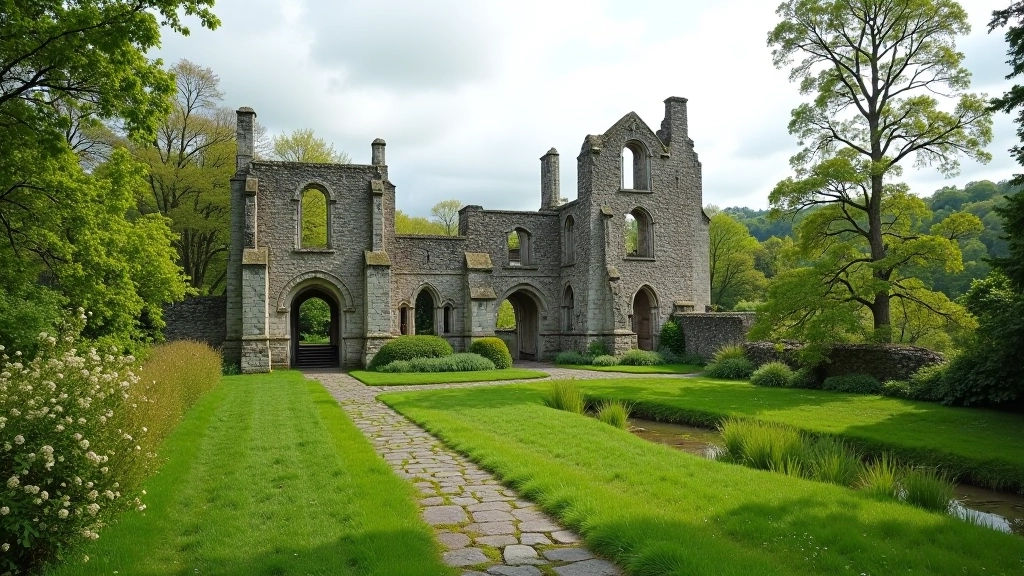
What you're looking at when you visit today isn't a perfectly preserved medieval monastery. It's a ruin that's been shaped by 450+ years of exposure. Walls have partially collapsed. Roofs have vanished. But that's exactly what makes it compelling — you're seeing the genuine layers of time, not a reconstructed fantasy.
From Ruin to Heritage: Modern Recognition
The 19th century brought a shift in how people viewed these ruins. Instead of being seen as useless remnants, they became symbols of cultural heritage. Antiquarians and historians started documenting the site. By the early 1900s, Kells Priory was recognized as a nationally significant historical monument. It's now in the care of the Office of Public Works, which means it's protected and maintained for public access.
The restoration work done over the decades has been careful. Rather than rebuilding, the focus has been on stabilization — ensuring walls don't collapse further, clearing vegetation that damages stonework, making the site safe for visitors. You'll notice some walls are more intact than others. That's not neglect — it's a strategy. They preserve what can be preserved while allowing the natural processes to continue.
Today, Kells Priory draws thousands of visitors annually. School groups come for history lessons. Tourists explore the medieval architecture. And people like you — those interested in local heritage and walking through countryside — come to experience what eight centuries looks like when written in stone. The priory has become a quiet teacher, showing us how communities change, how buildings endure, how history isn't just something in books but something you can touch and walk through.
Historical Information
This article provides educational information about Kells Priory's history based on archaeological records and heritage documentation. While we've worked to ensure accuracy, historical dating and interpretations can vary among scholars. For detailed archaeological findings, we'd recommend consulting the Office of Public Works heritage resources or academic publications on medieval Irish monasteries. Always check current site conditions and access information before planning your visit — heritage sites can have seasonal closures or restrictions.
Walking Through Eight Centuries
Understanding Kells Priory's history transforms how you experience the site. You're not just looking at old stones — you're seeing the physical evidence of how a medieval community lived, worked, worshipped, and eventually dispersed. Every arch, every wall, every overgrown corner has a story embedded in it.
When you walk the Kells Priory Loop (about 3 hours if you take it slowly), you're retracing paths that monks walked 800 years ago. You're standing where decisions were made, where life happened. The priory connects us to that world in a way that's tangible and real. That's the gift of heritage sites like this — they're bridges between our time and theirs.
Whether you're visiting for the first time or returning for another look, bring this historical context with you. Let it deepen what you see. The ruins reveal their meaning when you understand the story behind them.