Kells Priory Loop: Medieval History in Three Hours
A gentle circular route exploring the 13th-century priory ruins, ancient stone walls, and peaceful woodland sections. Flat terrain with several rest points along the way.
Why Walk the Kells Priory Loop?
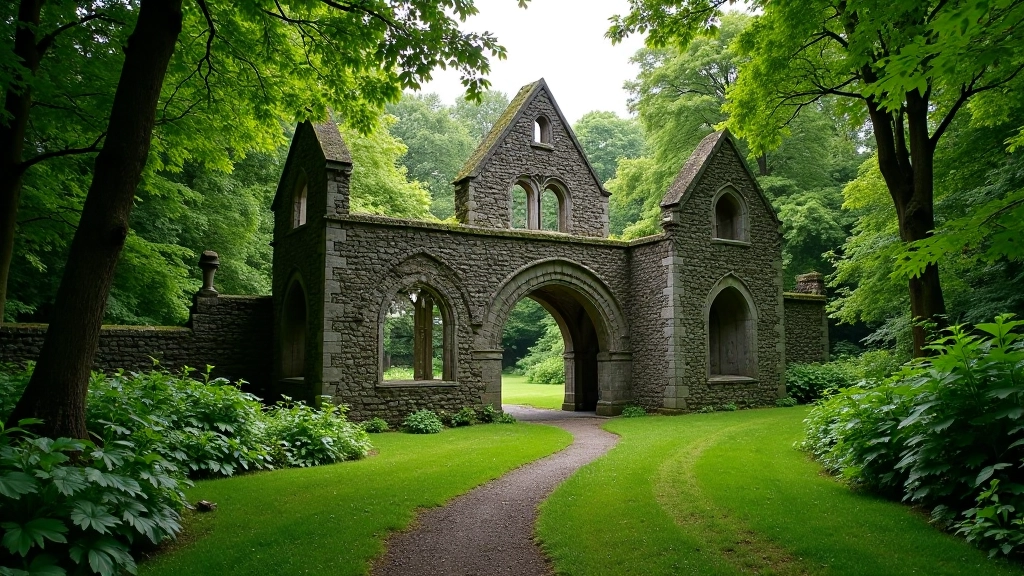
The Kells Priory Loop isn't your typical heritage walk. You're not just looking at stones from a distance — you're actually walking among them. The route winds through real medieval history, following paths that monks walked centuries ago. It's quiet, it's flat, and it's exactly what we've been looking for when we design routes for people who want substance without exhaustion.
What makes this particular loop special is how manageable it feels. Three hours total. You can rest whenever you want. The terrain won't test your knees. But the experience? That's the real deal. You'll see the actual priory kitchen, walk past walls that have stood for 800 years, and understand why this place mattered so much to the people who lived here.
Quick Facts
- Distance: 3.2 kilometers (2 miles)
- Duration: 3 hours including stops
- Difficulty: Beginner-friendly
- Surface: Mix of grass paths and light woodland trails
- Best time: April through October
- Facilities: Car park, public toilets nearby
The Medieval Kitchen: Where History Becomes Real
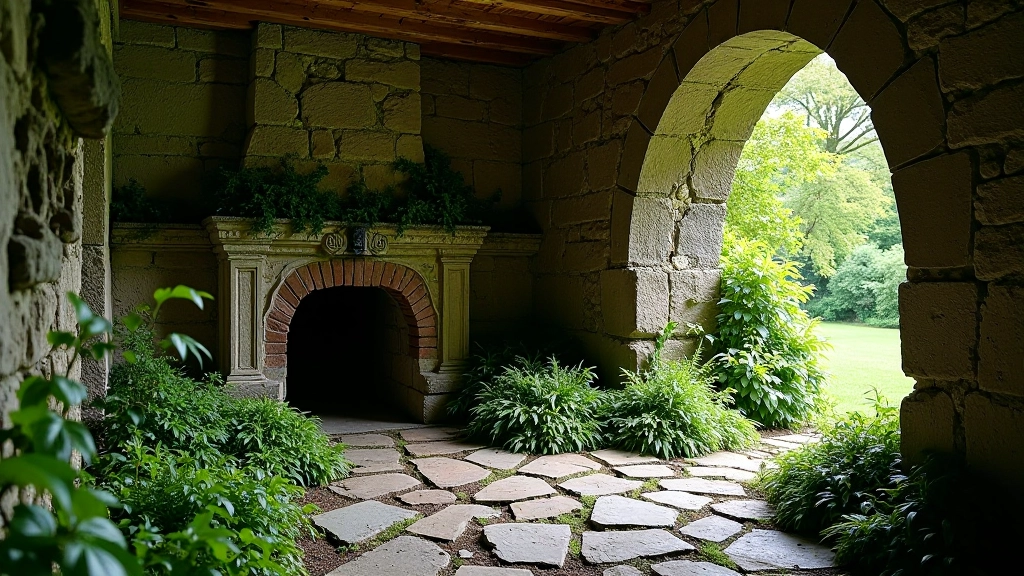
You'll start at the priory's main entrance, but the first real discovery comes within the first 30 minutes when you reach the kitchen ruins. It's not just scattered stones — you can actually see where the hearth was, where they stored grain, where the cooks worked preparing meals for 200+ monks. The walls still stand, blackened in places from centuries of cooking fires.
Standing there, you realize something shifts. This wasn't a painting or a book chapter anymore. Real people stood in this exact spot, heating water, kneading bread, preparing simple meals day after day. The kitchen was one of the warmest, most important places in a medieval monastery. Cold nights in stone cells meant the kitchen was where community actually happened.
There's a bench near the kitchen ruins — perfect for your first rest. Most people sit here for 10-15 minutes. Take your time. Look at the craftsmanship of the stonework. The walls aren't uniform — you can see where repairs were made centuries ago, where sections crumbled and were rebuilt. That's the story right there in the mortar and stone.

Walking Through the Gatehouse: The Route Gets Personal
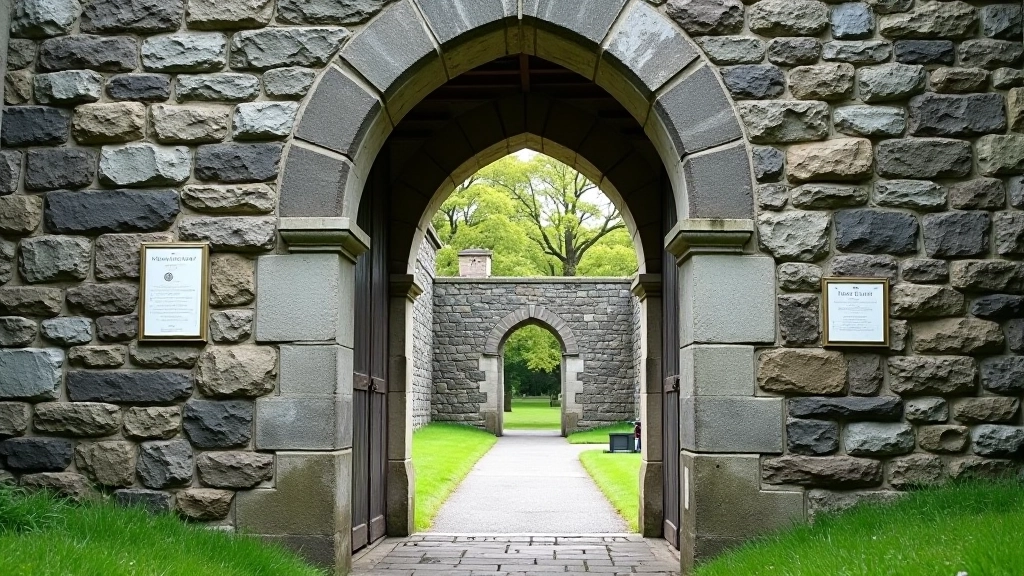
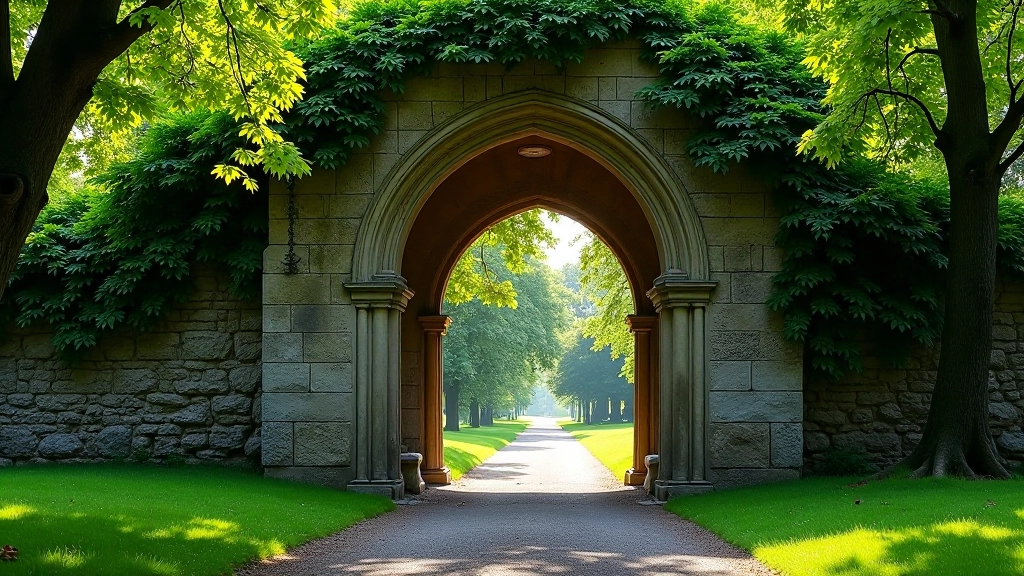
The second section of the walk takes you through the main gatehouse and into the woodland sections. This is where many people say the walk really opens up. You're no longer looking at ruins — you're walking through them. The gatehouse still has its original stonework, though the roof's long gone. Walking through that archway, you're literally following the same path that visitors used 600 years ago.
The woodland section that follows is gentler than you'd expect. Roots are minimal. The path's been maintained well. You'll notice ancient yew trees — some probably planted when the priory was still active. They're massive now, which gives you a real sense of time. These trees were already centuries old by the time the priory fell into disrepair.
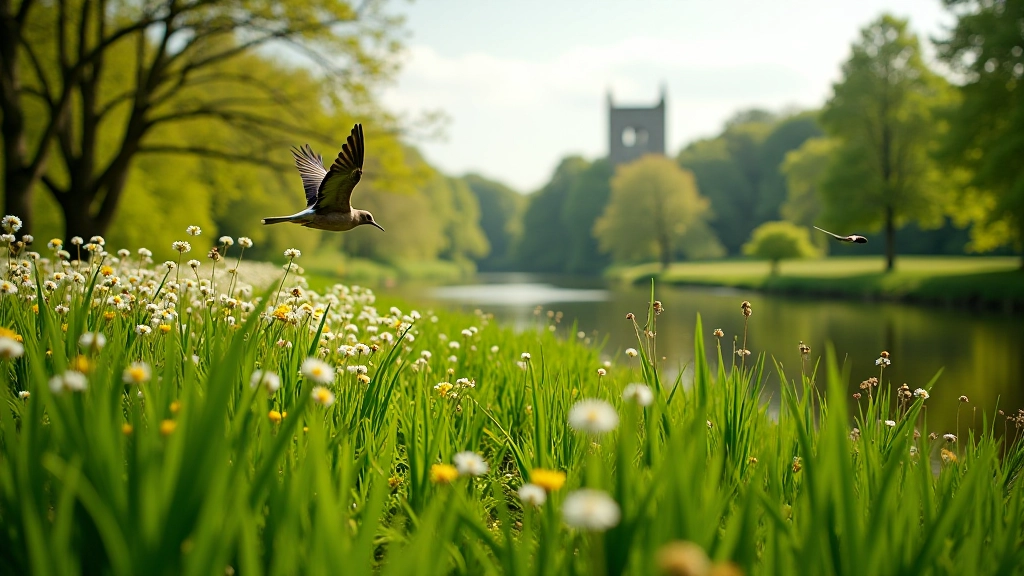
This is where we recommend bringing binoculars if you've got them. The woodland's home to woodpeckers, jays, and in spring, countless songbirds. You're not on a nature reserve, but you're definitely in nature. The priory was built in this location for a reason — water access, woodland for fuel, peaceful surroundings for contemplation. It's still got that feeling.
The Stone Walls: Reading History in Granite
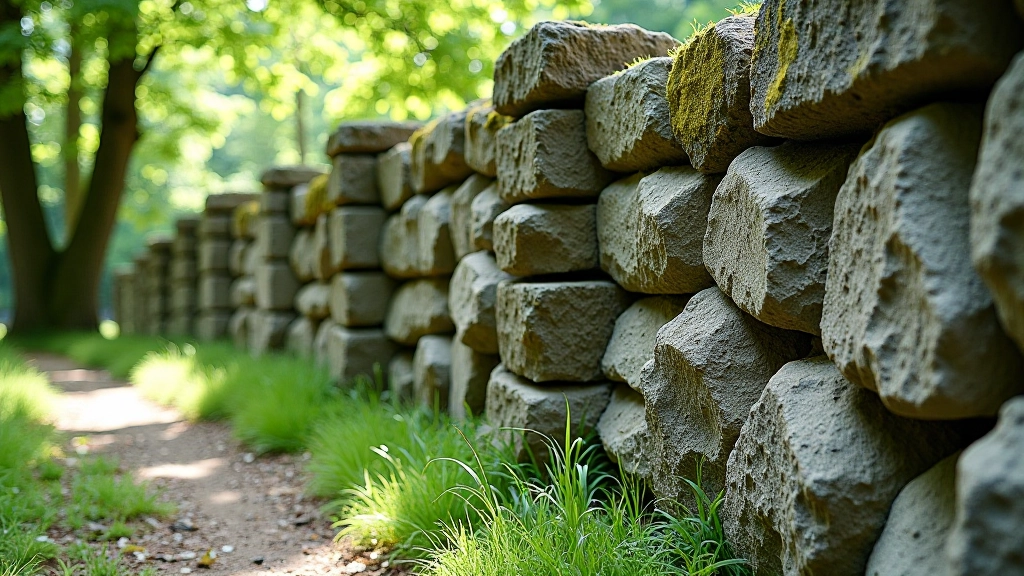
About two hours into the walk, you'll encounter the ancient boundary walls. These aren't just pretty — they're archaeological evidence of how the monks managed their land. The walls were built to define grazing areas and separate the priory's agricultural zones. You can still see sections that are incredibly well-preserved, with the original stone fit so tightly that you can't slide a knife blade between them.
What's fascinating is how these walls tell the story of landscape change. Where there's now woodland, there was once open pasture. The monks kept grazing animals — cattle, sheep, pigs. The walls managed movement. Look closely and you'll see where sections have crumbled and regrown naturally. Nature's been working on these walls for centuries, slowly reclaiming them.
There's another rest spot here, near the northern boundary wall. It's slightly more exposed than the kitchen ruins, but you get views across the surrounding countryside. This is where the walk starts to feel complete. You've walked through the actual priory structures. You've seen how the monks lived. You've touched stones that are over 700 years old. That's not something you do every day.
Important Information
This article provides informational and educational content about the Kells Priory Loop walking route. Information about terrain difficulty, duration, and facilities is based on typical conditions and may vary. Weather conditions, seasonal changes, and site maintenance can affect the actual walking experience. Always check current conditions before visiting, wear appropriate footwear, carry water, and consider consulting a healthcare provider if you have mobility concerns. The site is open to the public but conditions can change. Respect private property boundaries and follow local guidance when present.
Three Hours Well Spent
The Kells Priory Loop isn't the longest walk, and it's not the most challenging. What it is, though, is genuine. You're not walking past a heritage site — you're walking through it. The medieval kitchen isn't behind a fence. The gatehouse isn't roped off. The stone walls aren't labeled for observation only. You're there, in the same spaces, on the same ground, experiencing something that's remained largely unchanged for centuries.
We've found that people who do this walk come back changed in a quiet way. Not exhausted. Not overwhelmed. Just... connected to something bigger. You spend three hours with history. You see how people actually lived. You understand why this place mattered. And you do it at a pace that lets you absorb it all.
That's what walking should be. Not a test of endurance. Not a tick on a bucket list. Just time spent in a real place with real history. The Kells Priory Loop delivers exactly that.
Explore More Walks