Why the Kings River Path Matters
The Kings River meadow walk isn't just another stroll through the countryside. It's a chance to slow down and notice things — the particular curve of the river, the way light hits the water at different times of day, the birds you'll spot if you're patient enough to look. We've walked this route dozens of times and discovered something new every spring.
What makes this path special is the combination of gentle terrain, abundant wildlife, and genuine beauty. You're not scrambling over rough ground or dodging crowds. Instead, you're moving at a pace that lets you actually breathe and think and watch. The wildflowers bloom in predictable patterns, the birds return to the same trees year after year, and the river provides a constant, calming presence.
Bird Watching Opportunities
Spring brings a real variety to the Kings River. You'll definitely see red kites if you look up — they're regular here now and quite unmistakable with their forked tails and reddish coloring. Grey herons fish along the quieter stretches. We've spotted kingfishers on the sunny banks, though they're shy and don't stick around long.
The smaller birds are everywhere. Wrens, robins, dunnocks all chatter and move through the scrub. In May and June, you'll hear nightingales if you're quiet enough. Bring binoculars if you're serious about bird watching — you'll see much more. Even without them though, the movement and sound of all this life makes the walk genuinely interesting. It's not silent countryside. It's alive.
Pro tip:
Early morning walks (before 8 AM) are best for bird spotting. The birds are most active, the light is clearer, and you'll have the path mostly to yourself.
Spring Wildflowers Timeline
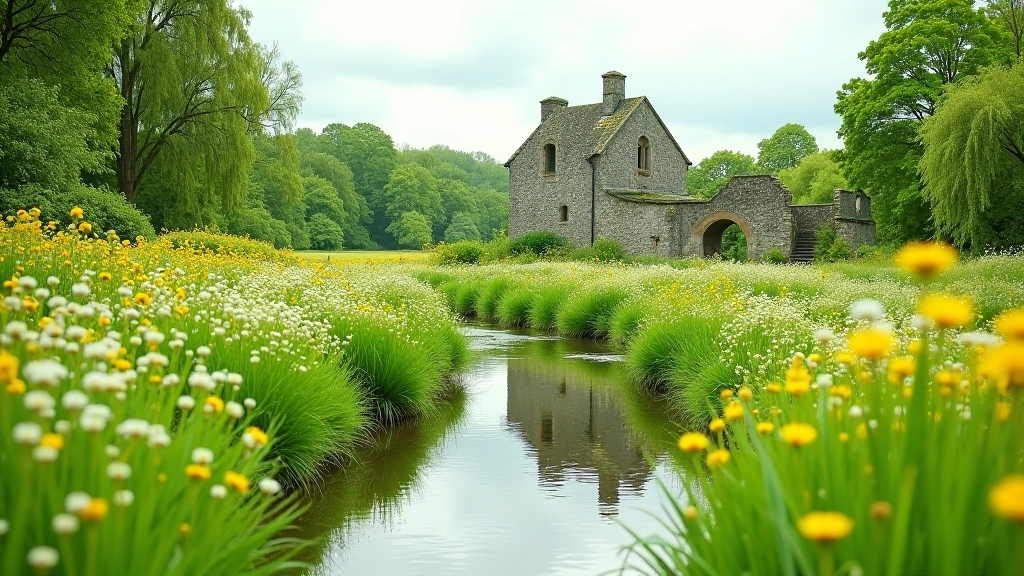
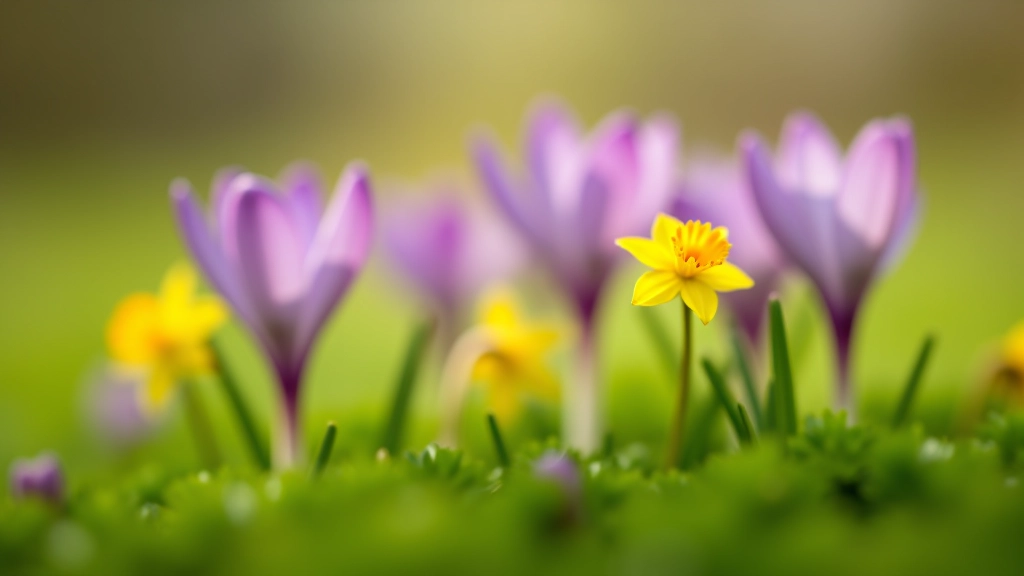
Timing matters if you want to see the wildflowers at their peak. We've mapped out roughly when each plant flowers along the Kings River path. April brings the crocuses and early primroses — they're not showy, but they're the first sign that the meadow's waking up. By late April, the daffodils are everywhere, creating these bright yellow patches that you can spot from 100 meters away.
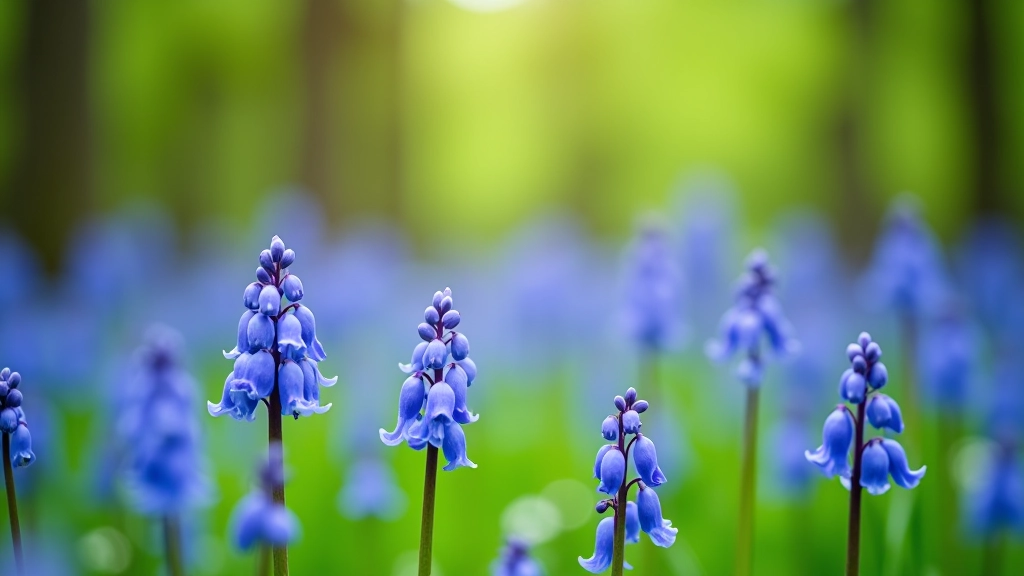
May is the real showstopper. That's when you get the bluebells, the wood anemones, the lady's smock with its pale purple flowers. The meadow shifts from yellow to blue and white in the space of a week or two. By June, you're into the taller flowers — foxgloves, campions, the occasional wild orchid if you're lucky. The bloom cycle is fairly predictable year to year, which means you can plan your walk around what you want to see.
Best Viewing Periods
- April: Crocuses and primroses (first blooms)
- Late April–May: Daffodils (peak yellow display)
- May: Bluebells and wood anemones (mixed colors)
- June: Foxgloves and wild orchids (tall flowers)
How to Walk This Route Properly
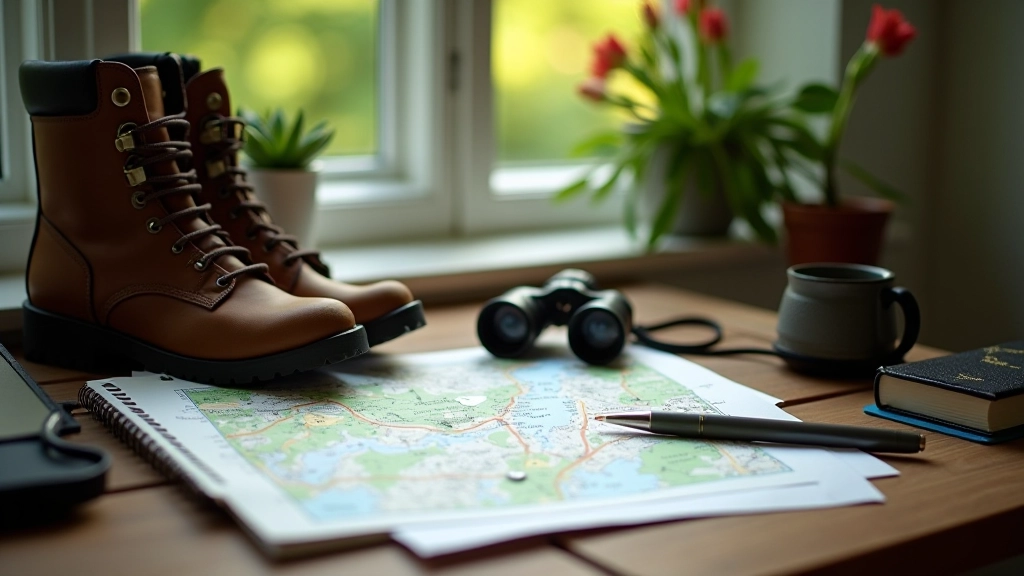
The Kings River path is roughly 5 kilometers if you walk the full loop, though you can do shorter sections easily. The terrain is mostly flat or very gently rolling — there's nothing steep or technical. What matters is pacing yourself. This isn't a fitness walk. It's a noticing walk. You should be able to stop whenever something catches your eye without worrying about timing or getting tired.
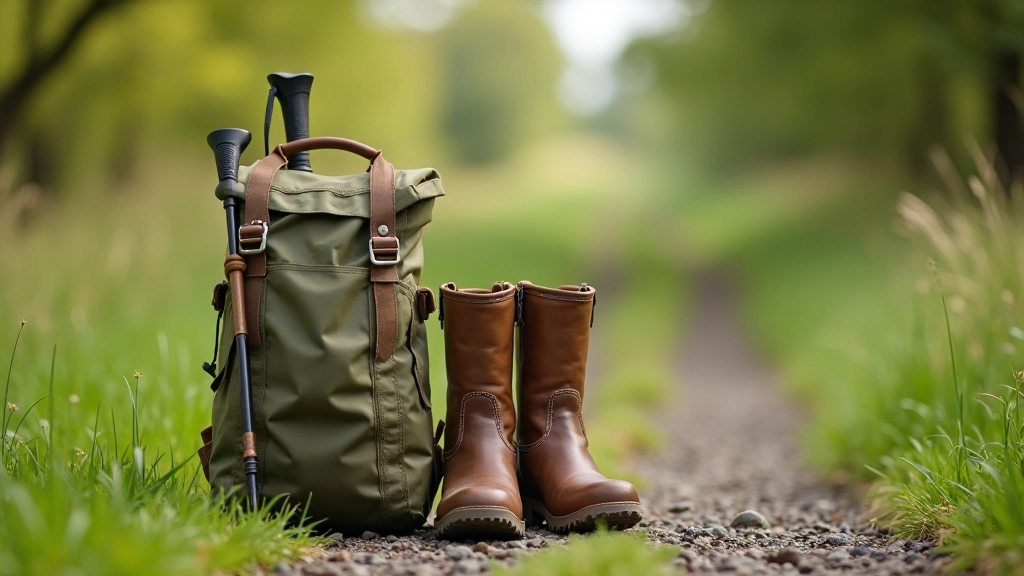
Start early if you can. The light's better in the morning, the birds are more active, and you'll avoid any afternoon crowds. Wear comfortable walking shoes with decent grip — the grass can be wet even when it's not actually raining. Bring water and maybe a light snack. A small notebook is genuinely useful if you want to track which flowers you've seen or make notes about bird sightings.
Walking Steps
- Start at the main car park near the bridge. The path heads upstream from here.
- Follow the river bank for about 2 kilometers. Stop often — this is the best section for flowers and birds.
- At the fork, you can continue straight for another 1.5 km to reach the upper meadow, or turn back here for a shorter walk.
- Return along the same route or take the alternative path on the opposite bank if you want variety.
Photography Tips for the Meadow
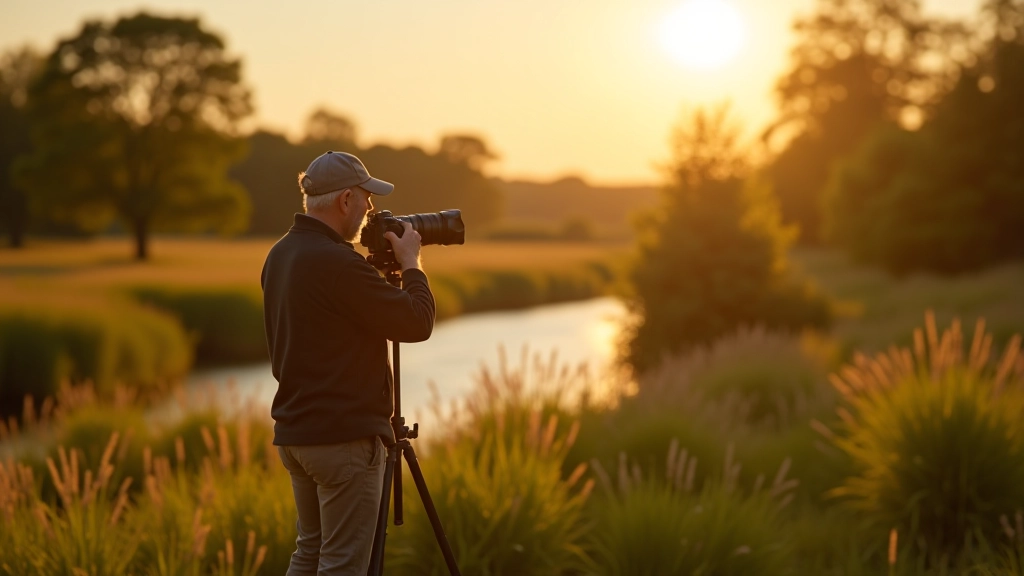
If you're bringing a camera or even just a phone, the Kings River path offers genuinely beautiful photography opportunities. The light reflecting off the water in morning and late afternoon is particularly nice. Wildflowers photograph best in natural light without harsh shadows, so aim for cloudy days or the softer light of early morning and late evening.
For wildflower shots, get low and shoot upward slightly to catch the flowers against the sky rather than from above looking down. This gives them more presence and color saturation. If you're photographing birds, patience is everything. A longer lens or zoom helps, but honestly, most of the birds you'll see here don't mind if you're still and quiet. Your phone camera will capture plenty of detail for memory purposes.
Photography essentials:
- Phone or camera with charged battery
- Lens cleaning cloth (essential after misty mornings)
- Tripod or monopod (optional but useful for group photos)
- Notebook to record location details for captions later
Important Information
This article provides educational information about the Kings River meadow path and general walking guidance. Walking conditions, wildlife presence, and seasonal flower displays can vary significantly based on weather, time of year, and recent land management. We recommend checking local conditions before your visit and respecting any temporary closures or access restrictions. Always wear appropriate footwear, bring water, and let someone know your route. The path is generally accessible, but individual fitness and mobility vary — start with a shorter section if you're new to walking.
The Real Value of Slowing Down
The Kings River meadow path won't be the longest walk you take or the most challenging. But it's one of the walks that stays with you. You'll notice the light hitting the water differently each time you visit. You'll learn which trees the herons prefer. You'll recognize the particular shade of blue the bluebells turn in mid-May. You'll get genuinely good at spotting kingfishers if you keep coming back.
That's the point of this walk. It's not about distance covered or difficulty overcome. It's about noticing. About stopping when something catches your eye. About letting the pace be set by wildflowers and bird calls rather than by your watch. That's rare in modern life. The Kings River gives you permission to move slowly and look closely. It's worth taking that permission.